

Top 5 Things You Can Do for Your Lungs in 2026

A clear, science-based guide to breathing better
Michael S. Alvarez, DO, MPH, FCCP

When people think about lung health, they often think about inhalers, oxygen, or medications. While those treatments can be important, research shows that what you do every day matters just as much. How you breathe, how active you are, how you exercise, and how well you prevent infections all play a major role in keeping your lungs working well.

Below are the top five things you can do for your lungs this year, explained in plain language but based on strong medical evidence and international guidelines.

1. Quit Smoking — The Most Powerful Change You Can Make

Quitting smoking is the single most important step for lung health. Smoking damages the airways, reduces oxygen exchange, and speeds up the loss of lung function. Over time, it also increases the risk of infections, flare-ups, heart disease, and cancer.

Experts from the Global Initiative for Chronic Obstructive Lung Disease strongly recommend that anyone who smokes be actively supported in quitting, no matter how mild or severe their symptoms are.

Research shows that nicotine replacement therapies such as patches, gum, or lozenges—along with prescription medications—greatly improve long-term success. People who quit smoking have fewer breathing flare-ups, slower lung damage, better daily breathing, and longer survival, even if they smoked for many years before quitting.

Simply put, no other treatment improves lung health more than stopping smoking.

2. Stay Up to Date on Vaccines to Protect Your Lungs

Lung infections can quickly worsen breathing and cause long-term damage, especially in people with chronic lung diseases. Infections are one of the most common reasons for hospital stays related to lung disease.

Vaccines help protect the lungs by preventing infections or making them much less severe. Based on age and medical conditions, this includes vaccines for influenza, pneumonia, RSV, Tdap, and shingles.

Studies show that vaccinated patients have fewer serious lung infections, fewer complications, and better lung function over time. Vaccines are not just about avoiding illness for a few days—they are a key part of long-term lung protection.

3. Pulmonary Rehabilitation: Exercise That Helps You Breathe Better

Pulmonary rehabilitation is one of the most effective treatments for people with chronic lung disease. It is a structured program that combines exercise training, breathing techniques, and education in a safe and supervised setting.

Most pulmonary rehab programs last about six to eight weeks and include supervised sessions at least twice per week. People who complete these programs often feel less short of breath, can walk farther, feel more confident being active, and spend less time in the hospital. Many also notice improvements in mood and energy.

The exercise portion of pulmonary rehabilitation includes several specific, evidence-based approaches:

Endurance (aerobic) training, such as walking or cycling, is performed at a moderate intensity—usually about 60–80% of a person’s maximum effort. This type of exercise improves stamina and makes daily activities easier.

Interval training uses short bursts of higher-intensity exercise followed by rest. This approach allows people to do the same amount of total exercise with less discomfort and has shown the greatest improvement in walking distance in research studies.

Resistance or strength training focuses on the arms and legs. Stronger muscles reduce the workload on the lungs and have been shown to improve breathing measurements like FEV(1), especially when combined with aerobic exercise.

Pulmonary rehab programs may also include gentle mind-body exercises. Practices such as yoga have been shown to improve breathing comfort and quality of life, particularly in asthma. Tai Chi, Qigong, and Ba Duan Jin—slow, controlled movement practices combined with breathing—have been shown to improve walking distance, lung function, and overall physical ability in people with COPD.

4. Practice Proven Breathing Exercises Every Day

Breathing exercises help the lungs work more efficiently and can reduce shortness of breath. These techniques strengthen breathing muscles, improve airflow, and make activity feel easier.

Pursed-lip breathing is one of the most helpful techniques, especially for COPD. Breathing in through the nose and slowly out through pursed lips helps keep airways open longer and reduces breathlessness.

Diaphragmatic (belly) breathing focuses on using the diaphragm instead of the chest and shoulders. This technique improves lung efficiency, increases breathing muscle strength, and has been shown to improve walking distance.

Yoga-based breathing exercises improve breathing comfort and quality of life, particularly in people with asthma, and can be a helpful addition to daily routines.

Some patients benefit from volume incentive spirometry, which encourages slow, deep breaths to expand the lungs with less strain on the heart and chest muscles. Others may use inspiratory muscle training, which strengthens breathing muscles using gentle resistance. This is most helpful for selected patients with weakened breathing muscles.

These breathing exercises are safe, low-risk, and especially effective when practiced regularly or combined with pulmonary rehabilitation.

5. Stay Physically Active Outside of Rehab Programs

Formal rehab programs are powerful, but daily movement matters just as much. Research shows that people with chronic lung disease who stay active have fewer flare-ups and live longer.

Simple activities like regular walking, stationary cycling, or light strength exercises can make a big difference. Studies show that home-based programs can work just as well as hospital-based rehab when the intensity and frequency are similar. Tools like step counters can help people stay motivated and consistent.

You don’t need special equipment or a gym membership. What matters most is staying active in a safe, steady way that fits into your daily life.


Strong lung health comes from a combination of proven habits: quitting smoking, preventing infections, exercising regularly, practicing breathing techniques, and staying active every day. When these steps are used together, people breathe easier, avoid hospital stays, and enjoy a better quality of life.Many of these strategies work best when they are customized and guided over time.

The Tampa Pulmonary Premium Service is designed for patients who want more time, better access, and personalized support for their lung health. This includes guidance on breathing exercises, exercise plans, pulmonary rehabilitation options, and prevention strategies—all tailored to you.If you’re looking for a more proactive and personal approach to breathing better, we invite you to learn more about our Premium Service.

Learn more about the Tampa Pulmonary Premium Service


References

  1. Global Initiative for Chronic Obstructive Lung Disease (GOLD). Global Strategy for Prevention, Diagnosis, and Management of COPD – 2026 Report.
  2. Xie J, Guo J, Wang B. Optimal Exercise Modalities and Doses for COPD. Archives of Physical Medicine and Rehabilitation. 2025.
  3. Santino TA et al. Breathing Exercises for Adults With Asthma. Cochrane Database of Systematic Reviews. 2020.
  4. Zhu Y et al. Mind-Body Exercise in Stable COPD. Scientific Reports. 2024.
  5. Burge AT et al. Breathing Techniques to Reduce Symptoms in Respiratory Illness. European Respiratory Review. 2024.
  6. Lu Y et al. Effects of Home-Based Breathing Exercises in COPD. Respiratory Care. 2020.
  7. American Thoracic Society. Update on the Management of Dyspnea. American Journal of Respiratory and Critical Care Medicine. 2012.
  8. Songsorn P et al. Respiratory Muscle Activity During Different Breathing Exercises. PLOS One. 2025.

Bronchiectasis: Understanding the Condition, Its Causes, and New Treatment Options

By: Michael S. Alvarez, DO, MPH, FCCP


Treatment Options

If you have been told you have bronchiectasis, you may be wondering what it really means, what caused it, and what you can do about it. This chronic lung condition is not as widely recognized as asthma or COPD, but it is just as important to diagnose and manage properly. Let’s take a closer look at what bronchiectasis is, how it develops, how doctors diagnose it, and the modern treatment strategies—including new medications like brensocatib (Brinsupri)—that are changing the outlook for patients.

What Is Bronchiectasis?

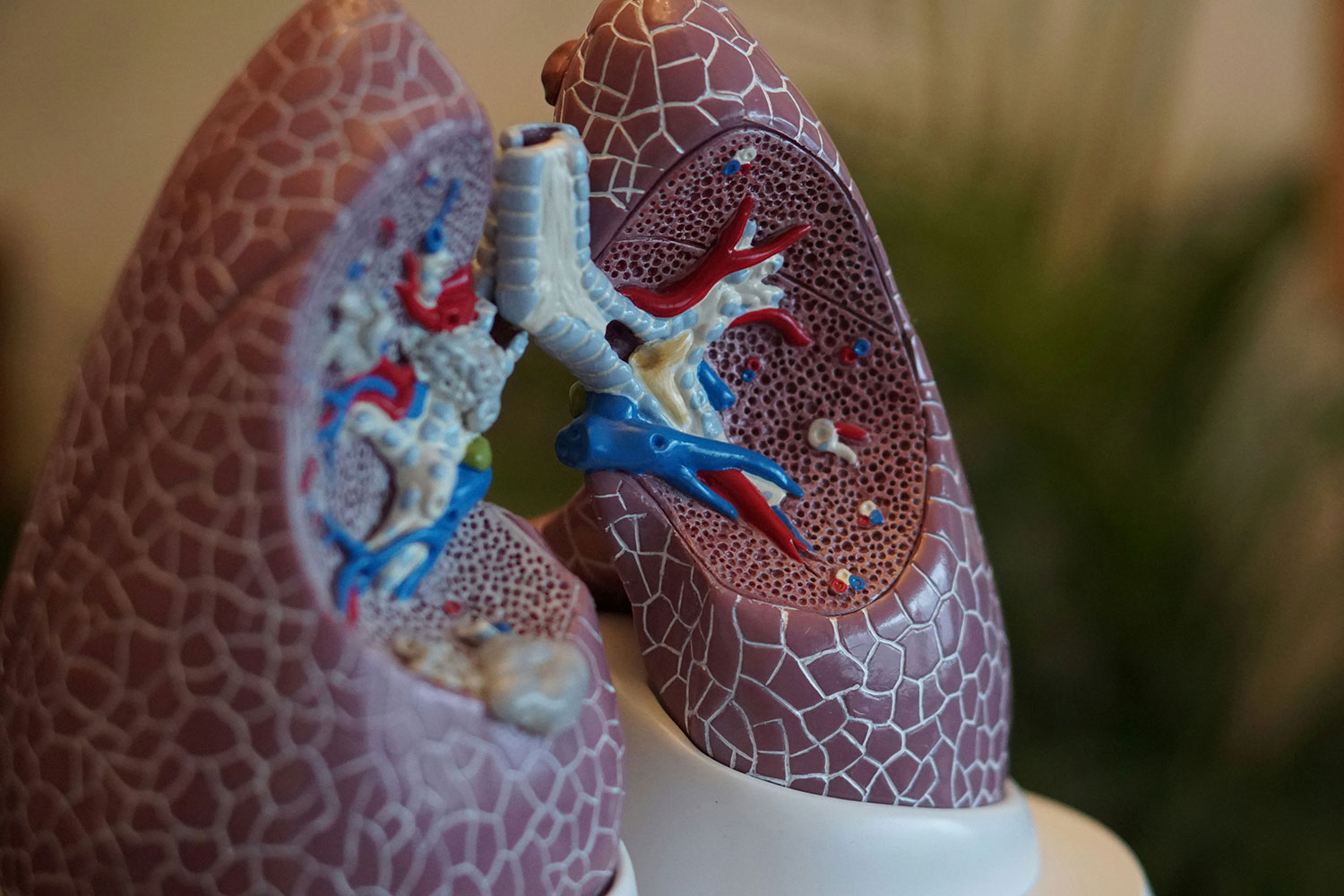
Bronchiectasis is a disease where the airways in the lungs become abnormally widened, scarred, and damaged. In a healthy lung, the airways act like flexible tubes that carry air in and out while moving mucus up and out efficiently. In bronchiectasis, however, the airway walls lose their normal structure. They become floppy and scarred, mucus clearance is impaired, and secretions collect instead of being swept away. This stagnant mucus creates the perfect environment for bacteria to grow. Over time, repeated cycles of infection and inflammation cause even more airway damage. The result is a vicious cycle: damaged airways, mucus buildup, infection, inflammation, and more airway injury.

What Causes Bronchiectasis?

There are many possible causes of bronchiectasis. Sometimes, the exact cause is never found. It may occur after a severe lung infection, or in people with chronic lung diseases such as COPD, cystic fibrosis, or severe asthma. Immune system problems that make it harder to fight infections can play a role, as can recurrent aspiration or reflux, where food or stomach acid repeatedly enters the lungs. In other cases, rare genetic or structural problems with the airways are to blame.

Certain conditions are often seen alongside bronchiectasis and can make it worse. Two of the most important are nontuberculous mycobacteria (NTM), which are slow-growing bacteria that can cause chronic lung infection, and allergic bronchopulmonary aspergillosis (ABPA), an allergic reaction to a common fungus that drives inflammation and mucus plugging.

Recognizing the Symptoms

The symptoms of bronchiectasis can look very similar to other lung diseases, which is why it is often underdiagnosed. A chronic cough is almost always present, and patients often bring up mucus on a daily basis. Recurrent chest infections that require antibiotics are another hallmark, along with shortness of breath, wheezing, fatigue, and reduced exercise tolerance.

The best way to confirm bronchiectasis is with a CT scan of the chest, which clearly shows the widened and irregular airways. Other parts of the evaluation may include sputum cultures to check for bacteria or fungi, blood tests to evaluate the immune system, and pulmonary function tests to see how well the lungs are working.

Treatment Strategies

There is no cure that can reverse the airway damage once it has developed, but treatment can dramatically improve quality of life, reduce infections, and slow disease progression.

The cornerstone of management is daily airway clearance. Chest physiotherapy, special breathing exercises, and mechanical techniques such as oscillatory flutter devices or vest therapy help mobilize mucus. Inhaled saline solutions, especially hypertonic saline, can thin mucus and make it easier to clear.

Antibiotics are used both for acute flare-ups and, in select cases, for long-term suppression. Some patients inhale antibiotics such as tobramycin to reduce bacterial load in the lungs. Certain oral antibiotics, like azithromycin, may also reduce flare-ups because of their anti-inflammatory effects.

One of the most promising developments in the field is the drug brensocatib (Brinsupri). This new oral therapy is designed to block an enzyme called neutrophil elastase, which drives much of the destructive inflammation in bronchiectasis. Clinical trials have shown that it may significantly reduce the number of exacerbations and help preserve lung function. This is now FDA approved and is an exciting step forward that offers hope for patients with frequent flare-ups despite standard therapy.

It is also essential to treat any coexisting conditions that worsen bronchiectasis. Patients with NTM infections often require long-term, multi-drug antibiotic regimens tailored to the specific type of bacteria. Those with ABPA may need steroids to reduce inflammation, along with antifungal medications.

Living with Bronchiectasis

Good overall lung health is another critical part of management. Vaccines such as influenza, pneumococcal, and COVID-19 are highly recommended. Smoking cessation is crucial, and pulmonary rehabilitation programs can help improve stamina and breathing efficiency.

Although bronchiectasis is a chronic condition, many people live active and fulfilling lives when they follow a structured care plan. Daily airway clearance, prompt recognition of infections, and regular follow-up with a pulmonary team are all important. With new therapies like brensocatib, treatment is expanding beyond symptom control and beginning to address the underlying drivers of inflammation.

Key Takeaway

Bronchiectasis is a condition where damaged airways trap mucus and lead to repeated infections, but it is manageable. With daily airway clearance, antibiotics, and new targeted therapies, many patients can breathe easier and live fuller lives.

At Tampa Pulmonary and Sleep Specialists, we take this a step further through our Premium Service, which provides personalized care, priority access, and a more comfortable experience. With a dedicated premium lounge to direct communication with our physicians, our concierge-style program is designed to give you the support you need to stay on top of your lung health.

If you have a chronic cough, frequent chest infections, or unexplained fatigue, make an appointment today to discuss whether evaluation for bronchiectasis—and the added benefits of our Premium Service—are the right next step for you.

Why Won’t This Cough Go Away?

We’ve all had a cough that lingers after a cold or flu, but what if it just doesn’t stop?

We call it a chronic cough when it lasts longer than eight weeks, and while it may feel like just an annoyance, it can point to something happening underneath the surface. Let’s talk through the most common reasons for a long-lasting cough, what treatments look like, and even some new therapies that are on the horizon.

The Usual Suspects

One of the top culprits is postnasal drip, sometimes called upper airway cough syndrome. This happens when mucus from your nose or sinuses slides down the back of your throat. That constant “drip” tickles your airway and triggers coughing.

Another big one is acid reflux. You may think of reflux as heartburn, but stomach acid can also reach the throat and voice box. When that happens—known as LPR—it irritates the airway, leaving you with a stubborn cough, hoarseness, or the need to constantly clear your throat.

Allergies can also keep a cough going. Pollen, dust, pet dander—your body reacts to these by inflaming the airways, and your cough reflex never takes a break.
Finally, there’s cough-variant asthma. Unlike the classic wheezing form of asthma, this one shows up almost entirely as a nagging cough. It can be tricky to catch without special breathing tests.

Other Reasons Your Cough Might Linger

Sometimes a cough hangs around after a bad infection. We call this a post-infectious cough, and it can stick around for weeks even after you’ve otherwise recovered.
There’s also what’s known as a neurogenic cough, where the nerves in your throat become overly sensitive. In this case, even little things like talking, laughing, or breathing cool air can trigger coughing.

Chronic infections, such as mycobacteria in the lungs, can also be a source of ongoing cough. And for people with swallowing difficulties, aspiration—when food, liquid, or stomach contents slip into the airway—can cause frequent coughing too.

How We Treat It

The first step is always figuring out the cause. We may ask about your symptoms, check your nose and throat, order breathing tests, or even get imaging. From there, treatment can be targeted:

  • Postnasal drip often responds to antihistamines or nasal sprays.
  • Reflux may improve with diet changes and acid-reducing medicines.
  • Allergies can be treated with medications or allergy shots.
  • Asthma-related cough is usually managed with inhalers.
  • Other causes might call for antibiotics, swallowing therapy, or medicines that calm the nerves involved in coughing.

New Treatments on the Horizon

For people who’ve tried everything but still cough, there’s good news. Researchers are studying new therapies that focus on calming the nerves that drive coughing. A class of medicines called P2X3 receptor antagonists has shown promise in clinical trials, and several are close to becoming available. Other approaches, like low-dose neuromodulator medicines or targeted biologic therapies, are also being tested.

The Bottom Line

A cough that won’t quit can feel exhausting and even embarrassing, but it’s not something you have to live with. Most cases can be explained by a handful of common conditions and treated effectively. And for those stubborn coughs, new options are on the way.

Ready for Relief?

At Tampa Pulmonary, we take a personalized approach to every patient. With our Premium Service, you’ll have direct, one-on-one access to your doctor 24 hours a day—no answering services, no waiting weeks for an appointment. Whether it’s a chronic cough, breathing issues, or peace of mind, we’re here for you when you need us most.

If your cough has lasted more than eight weeks, don’t wait any longer. Schedule a consultation with Tampa Pulmonary & Sleep Specialists today and experience care designed around you.